
It’s 7 am, 15 degrees, and your garage door starts down, then goes right back up. In St. Joseph, that’s a normal January morning. The average January low here is 17°F, according to NOAA’s climate normals (opens in a new tab).
Cold like that thickens grease, shrinks metal tracks, fogs the safety sensors, and freezes the bottom seal to the floor. Any one of them can explain a garage door not closing in cold weather. Here’s how to tell which one you’re dealing with, what you can safely check, and when to call us.
Quick answer: A garage door that won’t close in cold weather is usually reacting to thick grease, shrunken metal tracks, frosted safety sensors, or a bottom seal frozen to the floor. Wipe the sensors and clear the ice first. If it still reverses, or you see a broken spring, call a technician.
What is your garage door doing?
The fastest way to find the problem is to watch what the door actually does. A door that reverses halfway down has a different cause than one that won’t budge at all. Find the row that matches your door, then try the safe check before you call.
| What the door does | Likely cause | Safe check | Call us when |
|---|---|---|---|
| Starts down, then goes back up | Frosted sensors, stiff parts, or force settings | Wipe both sensor lenses | It still reverses after cleaning |
| Only closes if you hold the wall button | Sensors blocked or out of line | Clean the sensors and check their lights | A sensor light keeps blinking |
| Won’t move, and the opener hums | Broken spring or frozen seal | Look for a gap in the spring and ice at the bottom | You see a gap or hear a bang |
| Stuck to the ground | Bottom seal frozen to the concrete | Thaw the seal with a hair dryer | The seal tears or the door won’t lift |
| Remote or keypad does nothing | Weak batteries in the cold | Try the wall button, then change the batteries | The wall button doesn’t work either |
| Slow, jerky, or loud | Thick grease or tight tracks | Lubricate the rollers and hinges | It rubs or binds on the track |
Most of these come back to the same few causes. The next section explains each one, so you know what’s going on before you touch anything.
Why does my garage door not close when it’s cold?
Cold weather adds friction and can block the signals your opener relies on. When the door gets harder to move, the opener reads the extra resistance as something in the way and reverses. When a garage door will not close in cold weather, one of these five causes is usually behind it.
Is thick grease slowing the door down?
Old grease turns stiff and sticky once the temperature drops below freezing. The rollers and hinges start to drag, and the opener has to push harder to bring the door down. Sometimes that’s enough for it to give up partway.
You’ll often hear it first as a groan or a jerky close. Wipe the old, dark grease off, then use a silicone spray or a low-temperature lithium grease made for garage doors. Skip heavy automotive grease, because it only gets thicker in the cold.
Can metal parts shrink in the cold?
Yes, steel tracks, brackets, and bolts contract slightly in very cold weather. The change is small, but it can be enough to make the rollers bind or to show up a bolt that was already loose. You may hear rubbing or popping as the door travels.
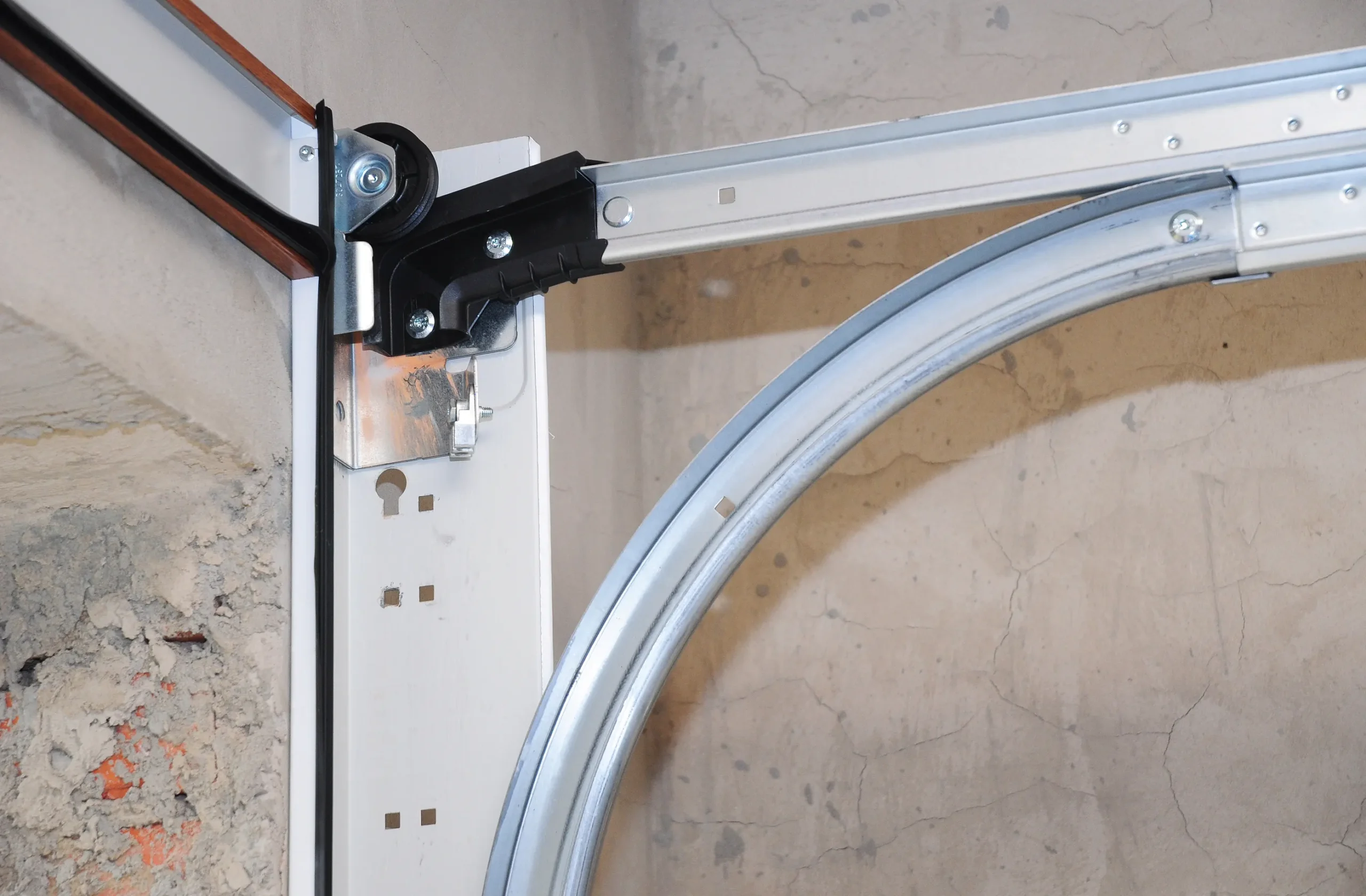
Don’t loosen, bend, or tap the tracks yourself. A small mistake can bring the door off its rollers. A technician can check the alignment and tighten the hardware safely.
Are frosted sensors stopping the door?
Two small safety sensors, often called photo eyes, sit near the floor, one on each side of the door. They send an invisible beam across the opening. If anything breaks that beam, the door won’t close.
In winter, frost, condensation, or blown snow on a lens does the same job as a person standing in the doorway. Wipe both lenses with a soft, dry cloth. Each sensor has a small light, and both should be steady, not blinking.
Could the winter sun be the problem?
This one surprises a lot of homeowners. The winter sun sits low in the sky, and in the morning or late afternoon it can shine straight into the receiving sensor. The sensor can’t see the beam through the glare, so the garage door won’t close when it’s cold and bright.
The giveaway is timing. The door fails at the same hour each day, then works fine an hour later. Moving the receiving sensor to the shaded side of the door, or fitting a small sun shield, usually fixes it.

Is the bottom seal frozen to the floor?
Snowmelt drips off cars and runs under the door, then refreezes overnight. The rubber bottom seal can stick to the concrete, or a ridge of ice can build up right where the door lands. When the door meets that ice, the opener treats it as an obstruction and backs up.
Clear the slush and ice from that strip of floor and the door will usually close again. If the seal or weatherstripping is cracked or flattened, it’s worth replacing before the next freeze.
Garage door goes back up when closing in the cold
A door that starts down and then heads straight back up is frustrating on a cold morning. But that reversal is a safety feature doing its job. The trick is finding out what the opener thinks it hit.
Why does the opener reverse in winter?
Federal rules (opens in a new tab) require home openers to reverse when they meet an obstruction. According to the U.S. Consumer Product Safety Commission (opens in a new tab), every opener made for sale in the U.S. since January 1, 1991 must have that reversing system. In winter, stiff grease, tight tracks, or a ridge of ice can all feel like an obstruction to the opener.
Should you turn up the close force?
It’s tempting, and we tell homeowners not to. A door that closes too hard may not stop for a person, a pet, or a car.
Clean the sensors and lubricate the moving parts first. If the door still reverses, have a technician check its balance and set the force and travel limits correctly.
How do you test the auto-reverse?
Lay a 2×4 board flat on the floor in the middle of the doorway and close the door. It should touch the board and go back up.
Run it once a month. Federal rules require opener labels to say exactly that, using a 1½-inch object like a 2×4 laid flat. Our technicians also run it after every repair.

Garage door opener not working in cold weather
Sometimes the door is fine and the opener is the one struggling. Cold rarely breaks an opener on its own, but it makes the motor’s job harder. Here’s how to tell whether the opener is the weak link.
How does cold affect a garage door opener?
A stiff door takes more effort to move, so the motor works harder on every cycle. If your opener has a battery backup, that battery holds less charge in the cold. Openers in unheated or detached garages can also act up on the coldest mornings.
Signs the opener is struggling include a slow, labored start, a hum with no movement, or a door that stops partway. Lubricating the door often takes enough load off the motor to fix it.
What if the garage door is not opening in cold weather?
If the opener hums but the door won’t lift, stop pressing the button. A broken spring is the most likely cause, and running the opener against it can damage the motor or gears. Check for a gap in the spring above the door before you try again.

If the springs look fine, work through our garage door opener troubleshooting checklist. It walks through eight quick checks, one at a time.
Garage door remote not working in cold weather
If the wall button works but the remote doesn’t, the door and opener are probably fine. The problem is in your hand or on the wall outside. A garage door opener not working when cold is often just a remote with tired batteries.
Why does a garage door remote stop working when it’s cold?
Small batteries lose power faster in the cold, and range is usually the first thing to go. You may find you have to drive right up to the door before it responds. Swap in fresh batteries and test again from close to the door.
If you keep your remote in the car overnight, it sits in the cold for hours. A spare remote kept in the house is a simple backup for very cold mornings.
Quick fixes to try first:
- Put fresh batteries in the remote and keypad.
- Test from close to the door, since range drops first in the cold.
- Wipe frost off the keypad and dry it before you enter your code.
Why is my garage door keypad not working in cold weather?
Outdoor keypads take the cold head-on. Weak batteries are the most common cause, and frost or ice on the buttons can stop a press from registering. Change the battery, wipe the keypad dry, and try your code again.
If it still won’t respond, the keypad may need to be reprogrammed to the opener. The steps differ by brand, Genie included, so check your opener’s manual or give us a call.
Garage door frozen shut
A garage door frozen shut almost always means the bottom seal has frozen to the concrete. It’s a common problem after a thaw and a hard freeze. The fix is simple, as long as you don’t force it.
How do you free a garage door that’s frozen to the ground?
Don’t force it. Stop pressing the opener button. Pulling against ice can tear the seal, strain the motor, or strip the opener’s gear. Unplug the opener so nobody tries again while you work.
Thaw the seal with a hair dryer or warm (not boiling) water, working slowly along the bottom edge. Once it lets go, lift the door gently by hand and dry the floor so it doesn’t refreeze. Avoid chipping at the seal with a shovel or ice pick, because a torn seal lets in water and cold.
Ice can also form between the door panels after a wet snow. Thaw it the same way, starting with the bottom section.
If the door still feels like dead weight once the ice is gone, stop there. A spring may be broken, and that’s a job for a technician.
How do you keep a garage door from freezing shut?
These winter habits help:
- Clear snow and slush from the threshold before nightfall.
- Knock snow off your car outside, not under the door.
- Wipe a light coat of silicone spray on the bottom seal so ice doesn’t bond as easily.
- Replace a cracked or flattened bottom seal before the first hard freeze.

Broken garage door springs in winter: don’t DIY
Springs do the heavy lifting on your garage door, not the opener. When one breaks, the door suddenly weighs far more than the opener can handle. Winter is when a lot of tired springs finally give out.
Torsion spring: the large spring on a bar above the door. It winds up as the door closes and does most of the lifting. Some older doors use extension springs along the side tracks instead.
Why do garage door springs break more in the cold?
Springs are rated for a set number of open and close cycles, and they wear out over time. Rust from a damp garage and a door that’s out of balance speed it up. Cold doesn’t cause that wear.
But colder steel and a stiffer door add stress, and that can be the last push for a spring near the end of its life. That’s why so many springs seem to break on the first cold mornings of the year.
What are the signs of a broken spring?
Listen for a loud bang from the garage, often overnight or when the door starts to move. Look for a gap in the torsion spring above the door, or a stretched extension spring along the side. A door that feels like dead weight, or lifts only a few inches, is another giveaway.
If you see any of these, stop using the door. Springs and cables hold enough tension to cause serious injury. The Door & Access Systems Manufacturers Association (opens in a new tab) warns homeowners against adjusting springs, cables, or bottom brackets.

Our garage door spring repair team can handle it safely. For more detail, see our guide to broken garage door spring signs.
Safe checks you can do today
Before you call anyone, a few quick checks fix a lot of cold-weather problems. None of them need special tools. Here’s where the safe line sits.
What can you safely check yourself?
- Wipe frost or condensation off both sensor lenses.
- Replace the batteries in your remotes and keypad.
- Shovel and de-ice the strip where the door meets the floor.
- Free a frozen bottom seal with a hair dryer or warm water, then dry the area.
- Unplug the opener if the door is stuck.
- Watch and listen as the door runs, from a safe distance.
How do you test the door by hand?
This quick test shows whether the springs are doing their job. With the door fully closed, pull the red emergency release cord to disconnect the opener.
Lift the door by hand to about halfway and let go. A balanced door stays put, but one that drops or shoots up needs a technician to check the springs. Close the door by hand and reconnect the opener when you’re done.
What should you leave to a technician?
Leave anything that holds tension or controls force to a professional. That means broken or gapped springs, frayed or loose cables, and a crooked or off-track door. It also covers an opener that hums but won’t move the door, and any change to the tracks or force settings.
How to prevent cold-weather garage door problems
Good winter garage door care starts in the fall, before the first hard freeze. A well-kept door handles the cold far better than a neglected one. A little prep now saves a January breakdown.
What should you do before winter?
Before the first hard freeze, work through these steps:
- Book a fall inspection so a technician can check the springs, cables, rollers, hinges, track, and opener. It should include the auto-reverse test. Our garage door repair team works across the St. Joseph area.
- Look at the bottom seal and replace it if it’s cracked, stiff, or flattened.
- If your opener has a battery backup, test it. Most backup batteries need replacing every few years.
How do you keep the door running through the winter?
Use a silicone spray or low-temperature lithium grease on the rollers, hinges, and springs. Keep the threshold dry, because snowmelt under the door is what freezes it shut. If your garage stays very cold, an insulated door keeps the space, and its moving parts, a little warmer.
Keep an eye on the National Weather Service forecast (opens in a new tab) for the Kansas City and St. Joseph area. When a hard freeze is on the way, that’s your reminder to clear the threshold and check the sensors.
Commercial and dock doors in winter
Businesses feel a stuck door faster than homeowners do. A loading dock that won’t close lets heat out and holds up deliveries. Commercial doors face the same cold-weather problems, only with more weight and more cycles.
Why do commercial doors struggle more in the cold?
A commercial door may open and close dozens of times a day, far more than a home door. It’s also bigger and heavier.
In a cold snap, that means extra wear on the springs, cables, and rollers, and less room for a part that’s already tired.
What about dock seals and shelters?
Dock seals and shelters close the gap between the building and the trailer. A torn or flattened seal lets cold air and snow straight into the building. Check them before the coldest weeks, not during them.
Weaver services commercial overhead doors and dock equipment across the St. Joseph area. A winter check now keeps your doors working when you need them most.
Still stuck? When to call Weaver Overhead Door
Most cold-weather problems start small, and the safe checks above fix plenty of them. Some don’t, and those are the ones worth a call. Here’s when to stop and bring in a technician.
When should you call a technician?
Call us if you see a broken spring or cable, or if the door is crooked or off its track. Call too if the door still reverses after you’ve cleaned the sensors. The same goes for an opener that hums but won’t move the door.
Our techs carry common parts on the truck, so many repairs take one visit. We call ahead before we arrive.
Why St. Joseph homeowners call Weaver
Weaver Overhead Door is family-owned and has kept St. Joseph doors running through Missouri winters since 1937. We serve St. Joseph, Savannah, Cameron, Maryville, Atchison, and nearby towns. We work on all makes and models and run a safety test on every repair.
New parts carry manufacturer warranties. Call 816-279-0103 and tell us what your door is doing. You can also request a garage door repair online.
Weaver Overhead Door, St. Joseph
Weaver Overhead Door (a division of J.R. Weaver, Inc.)
2324 Locust St., St. Joseph, MO 64501
Call: 816-279-0103
Hours: Monday to Friday, 8:00 a.m. to 4:30 p.m.
Frequently asked questions
Why won’t my garage door close in cold weather?
Most often it’s thick grease, metal tracks that have shrunk in the cold, frosted safety sensors, or a frozen bottom seal. Each one makes the opener sense resistance and reverse.
Wipe the sensors and clear ice from the threshold first. If the door still won’t close, call a technician.
How do I force my garage door to close?
Don’t force it with the opener. On many LiftMaster and Chamberlain openers, holding the wall button down closes the door even when the sensors are blocked.
Chamberlain notes (opens in a new tab) that openers made after 2022 no longer have this feature. Only do this when you can see the doorway is clear.
Then find and fix the cause, because the sensors are there to protect people and pets.
My garage door is frozen and I can’t open it. What should I do?
Stop pressing the button and unplug the opener. Thaw the bottom seal with a hair dryer or warm (not boiling) water, and clear away the slush. If the door still feels like dead weight once it’s free, a spring may be broken.
Call a technician before you try again.
Can cold weather affect a garage door opener?
Yes. Cold thickens grease, drains remote and backup batteries, and makes the door harder to move. The opener may stop or reverse as a result.
Lubricate the moving parts and change the batteries. Have a technician check the force settings rather than turning them up yourself.
Why does my garage door only close when I hold the button down?
That usually means the safety sensors think something is in the way. In winter, frost, condensation, low sun, or a bumped bracket are the common causes.
Wipe both lenses and check that each light is steady. If one keeps blinking, the sensors may need realigning.
What lubricant should I use on a garage door in winter?
Use a silicone spray or a low-temperature lithium grease made for garage doors. Avoid heavy grease, which thickens in the cold. Clean the old grease off first.
Then lubricate the rollers, hinges, springs, and bearings, but not the inside of the tracks.